

Our seasonal report from local apiculturist, Manek Dubash.
It’s three months on from the last blog in autumn, when I talked about the end of the honey
harvest and what the bees were facing in the days and months ahead.
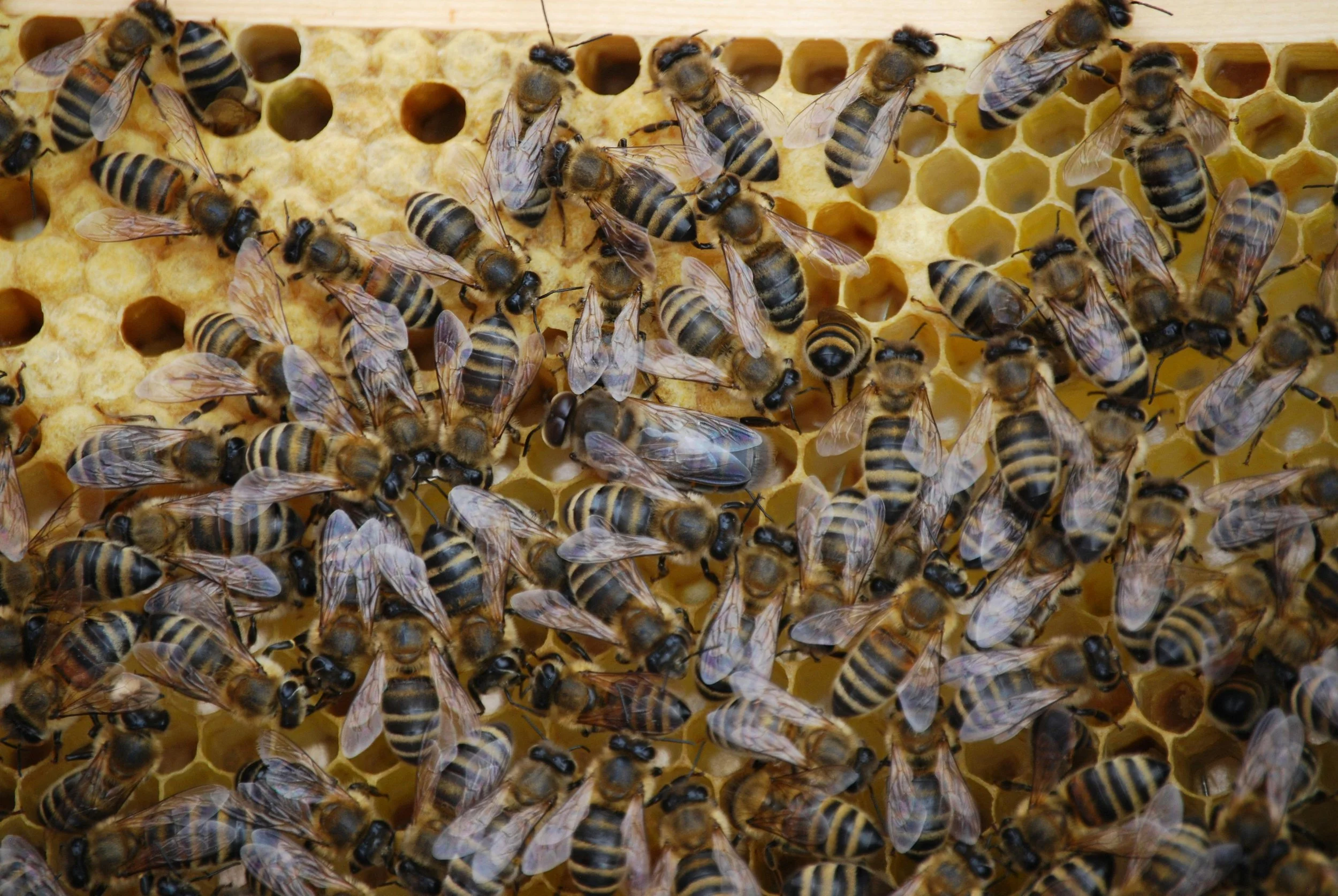
Now those days I mentioned are here. It’s freezing outside but, inside the hive, the bees
are—hopefully—still alive and huddled together to conserve heat. With luck, they’ll
protecting heir queen in the middle of the cluster at a temperature of around 20 degrees.
When I say hopefully, the best thing any beekeeper can do for his or her charges at this time of
year is almost nothing. You certainly don’t want to open up a hive and lose all the precious
heat they’ve expended so much energy creating. All that can be done is to enure they have
access to a source of energy, namely fondant, that they can access directly without having to
break the cluster. This is near-pure carbohydrate which prevents starvation, a horrible sight
to see at the end of winter when it comes time to check on the colonies.
Of course, I left each colony a super, or about 20Kg of honey, that they can make use of. That
should in normal circumstances be enough, but each year is different so we never know for
sure.
That said, every beekeeper loses colonies, most likely over winter. Over the years, most of my
losses have been in early spring, towards the end of the lifespans of the winter bees: workers
born in autumn whose special internal fat bodies will have allowed them to survive for up to
six months. That’s much longer than their sisters who were and will be born at other times of
year and so destined to be foragers; their lifespans are around six weeks.
Fingers crossed!
Manek Dubash
The Beekeeper at the Grain Store
